Shahrokh Mehmood
Geologist & Geoscientist
Discover how the shifting plates beneath our feet shape everything from mountain ranges to deep ocean trenches.
Introduction to Plate Tectonics
Plate tectonics is the unifying theory of geology, providing a comprehensive framework for understanding the Earth's structure and dynamic evolution. It describes the motion of the lithosphere—the Earth's rigid outer shell—broken into several large and small plates that float on the more plastic asthenosphere below. This movement, driven by mantle convection, is responsible for the most dramatic features of our planet.
The Mechanics of Movement
At the heart of plate tectonics are three primary types of plate boundaries: divergent, convergent, and transform. Divergent boundaries, such as the Mid-Atlantic Ridge, are where tectonic plates move apart, allowing magma to rise and create new oceanic crust. This process, known as seafloor spreading, was a crucial piece of evidence in validating the theory in the 1960s.
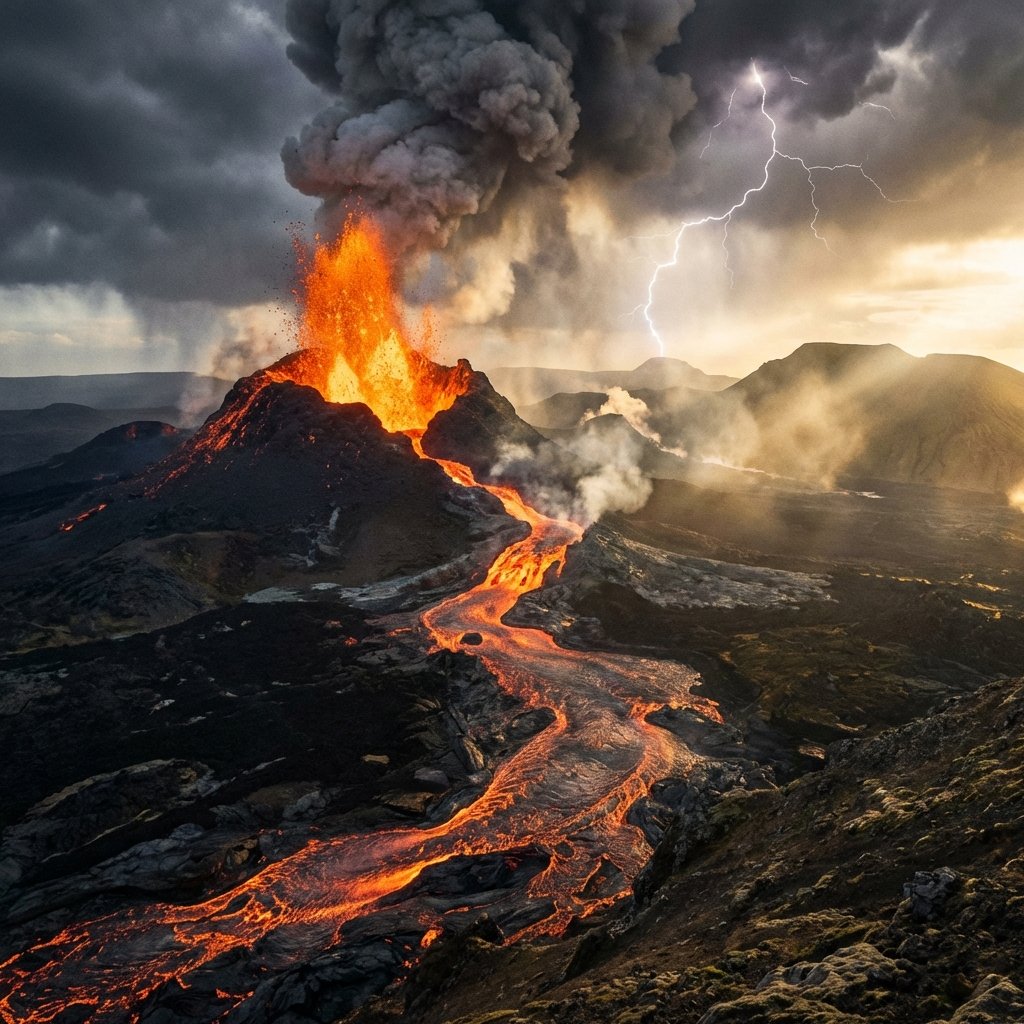
Convergent boundaries, on the other hand, are where plates collide. When an oceanic plate meets a continental plate, the denser oceanic plate is forced beneath the continent in a process called subduction. This leads to the formation of deep-ocean trenches and volcanic mountain ranges, such as the Andes. When two continental plates collide, the result is often massive mountain building, exemplified by the Himalayas.
Scientific Depth and Global Impact
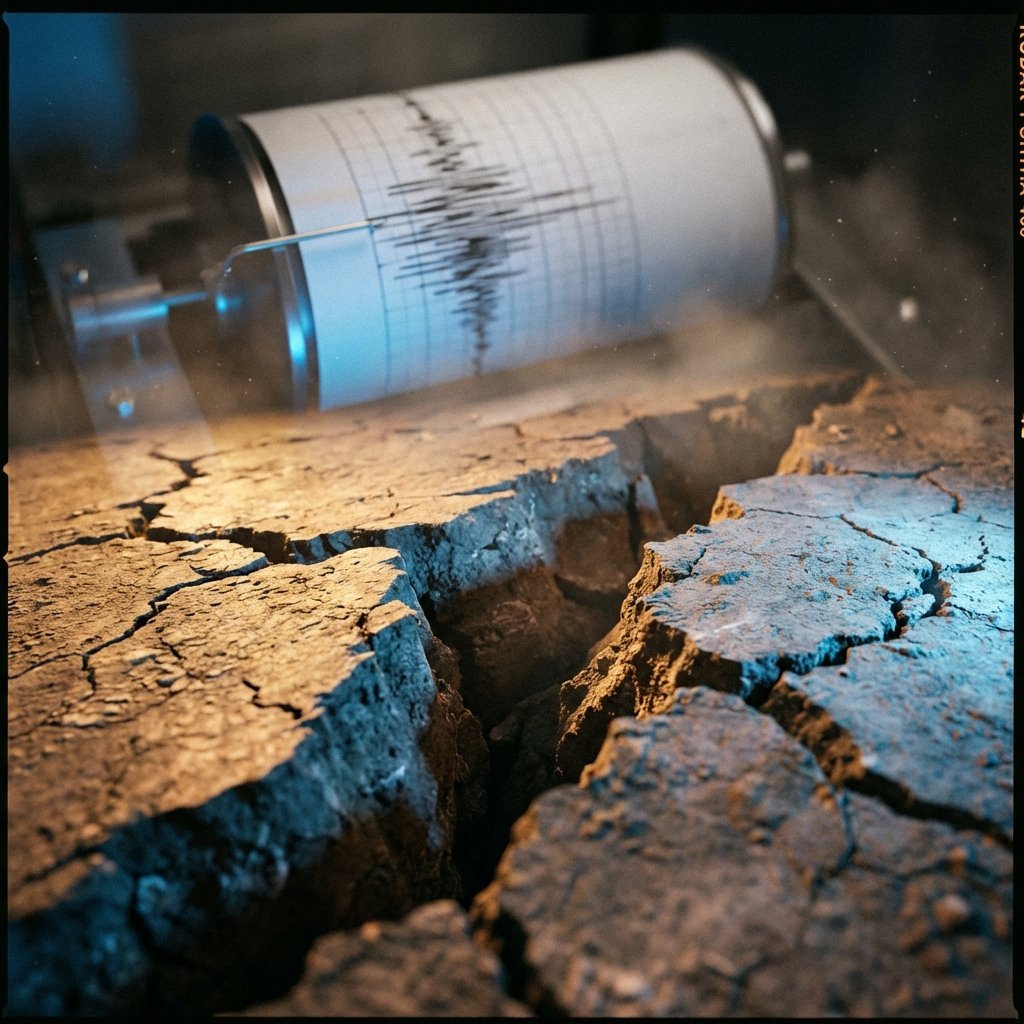
The implications of plate tectonics extend far beyond physical geography. It influences the geochemical cycling of elements, as minerals are subducted into the mantle and eventually recycled back to the surface through volcanic activity. From a professional perspective, understanding these movements is vital for assessing seismic risks and identifying potential mineral deposits associated with plate boundaries.
In Scandinavia, the legacy of ancient plate movements is visible in the Caledonian Orogeny, which shaped the bedrock of Sweden and Norway. My research at Lund University often touched upon these deep-time processes, emphasizing the importance of stratigraphic analysis in reconstructing paleo-tectonic environments.
Reader Psychology: Why It Matters
For the curious reader, plate tectonics turns the seemingly static ground beneath our feet into a living, breathing history book. Every earthquake and volcanic eruption is a reminder of the Earth's internal heat seeking equilibrium. By understanding these processes, we gain a deeper appreciation for the scales of time and pressure that have crafted our modern world.