Shahrokh Mehmood
Geologist & Geoscientist
From shield volcanoes to stratovolcanoes, explore the diverse types of volcanic activity on our planet.
Introduction to Volcanology
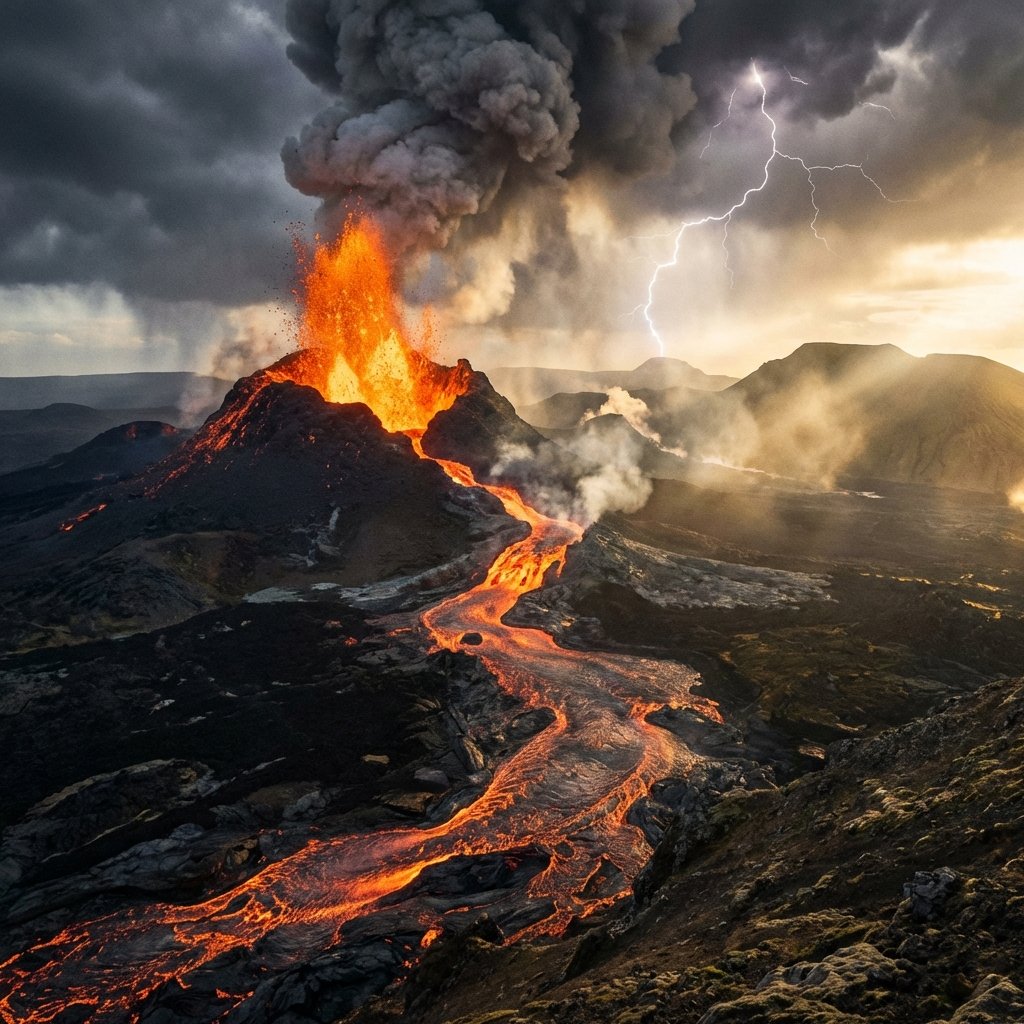
Volcanoes are among the most awe-inspiring and potentially hazardous geological phenomena on Earth. They serve as direct vents for the planet's internal heat, allowing magma, gases, and ash to escape to the surface. Understanding the mechanics of volcanic eruptions is not only a matter of scientific curiosity but a vital component of disaster risk reduction for millions living in volcanic shadows.
Magma Composition and Eruption Styles
The style of a volcanic eruption is primarily determined by the viscosity and gas content of the magma. Mafic magmas (low in silica) are typically less viscous, allowing gases to escape easily and resulting in relatively gentle, effusive eruptions. These build broad, low-profile structures known as shield volcanoes, such as Mauna Loa in Hawaii.
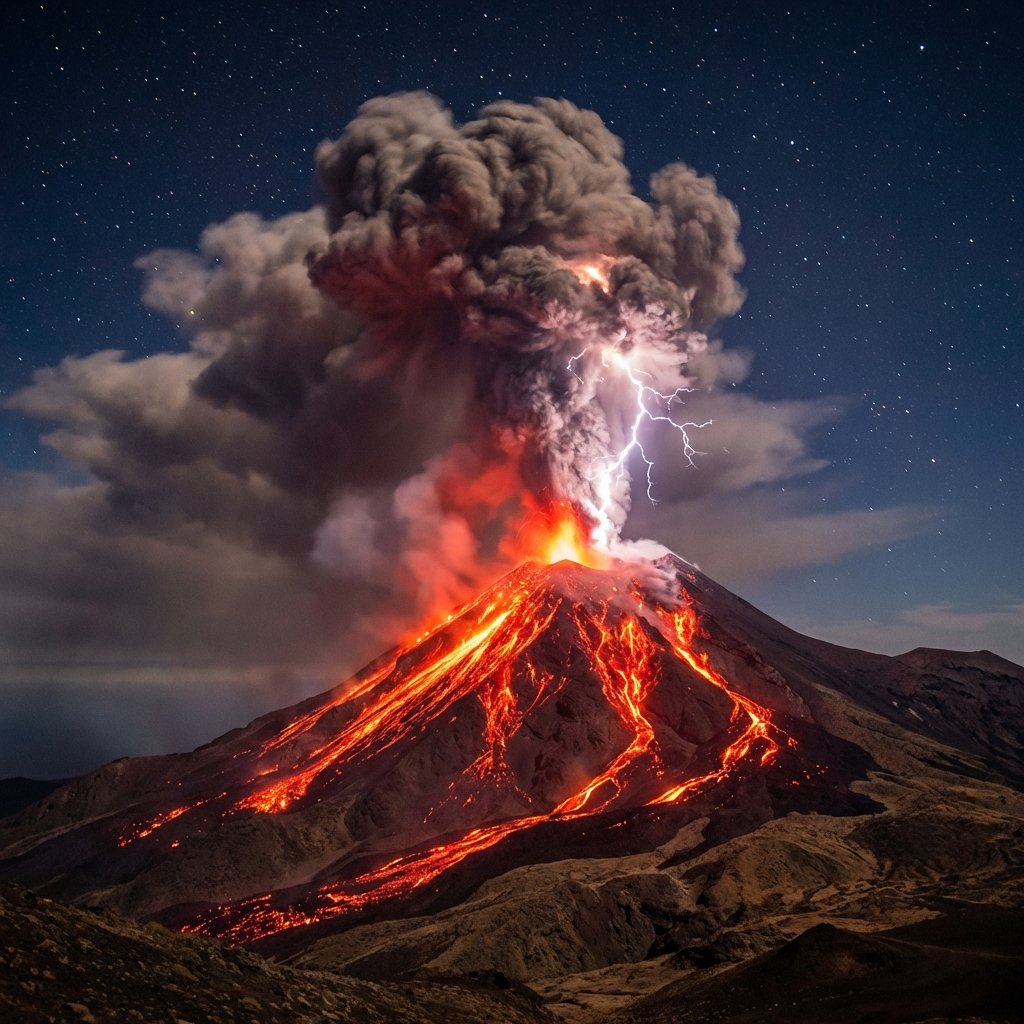
Conversely, felsic magmas (high in silica) are highly viscous. This traps gases under immense pressure until they are released explosively. These eruptions produce "stratovolcanoes" or composite volcanoes, characterized by steep profiles and alternating layers of lava and pyroclastic material. Examples include Mount St. Helens and Mount Vesuvius.
The Role of Volcanology in Modern Society
Beyond the immediate hazards of pyroclastic flows and lahars, volcanology provides key insights into the Earth's cooling history and atmospheric chemistry. Large eruptions can inject massive amounts of sulfur dioxide into the stratosphere, leading to temporary global cooling—a process that must be understood in the context of modern climate modeling.
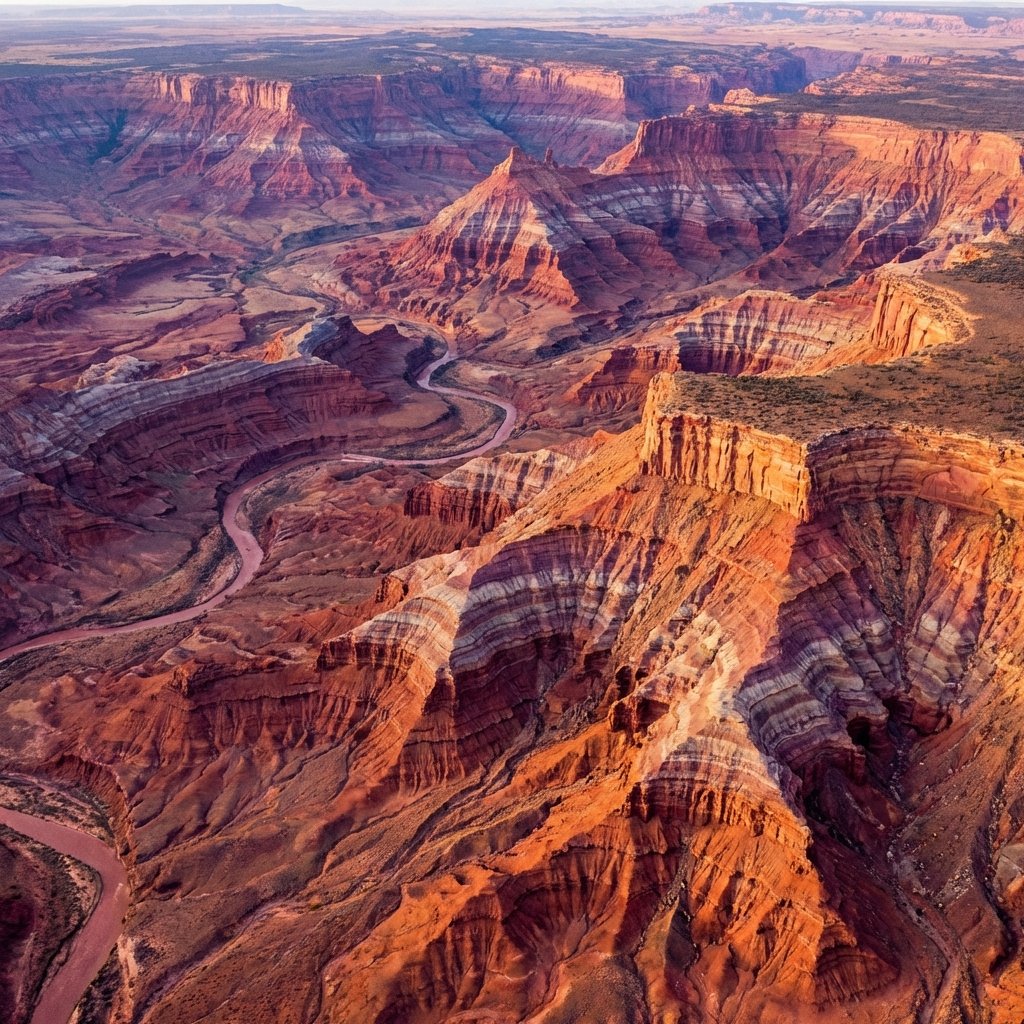
In geothermal energy exploration, volcanoes are a primary target. Heat from shallow magma chambers can be harvested to produce clean, renewable power. My work in basin analysis and bedrock geology often intersects with volcanic provinces, particularly when examining the thermal history of sedimentary basins and their potential for resource development.