Shahrokh Mehmood
Geologist & Geoscientist
A closer look at the mechanics of seismology, fault lines, and how we measure the energy of an earthquake.
The Physics of Seismicity
Earthquakes are the physical manifestation of the sudden release of energy in the Earth's lithosphere. This energy usually accumulates due to the slow movement of tectonic plates, which build up stress along fault lines. When the stress exceeds the frictional strength of the rocks, a rupture occurs, radiating seismic waves through the Earth and causing the ground to shake.
Measuring the Unseen
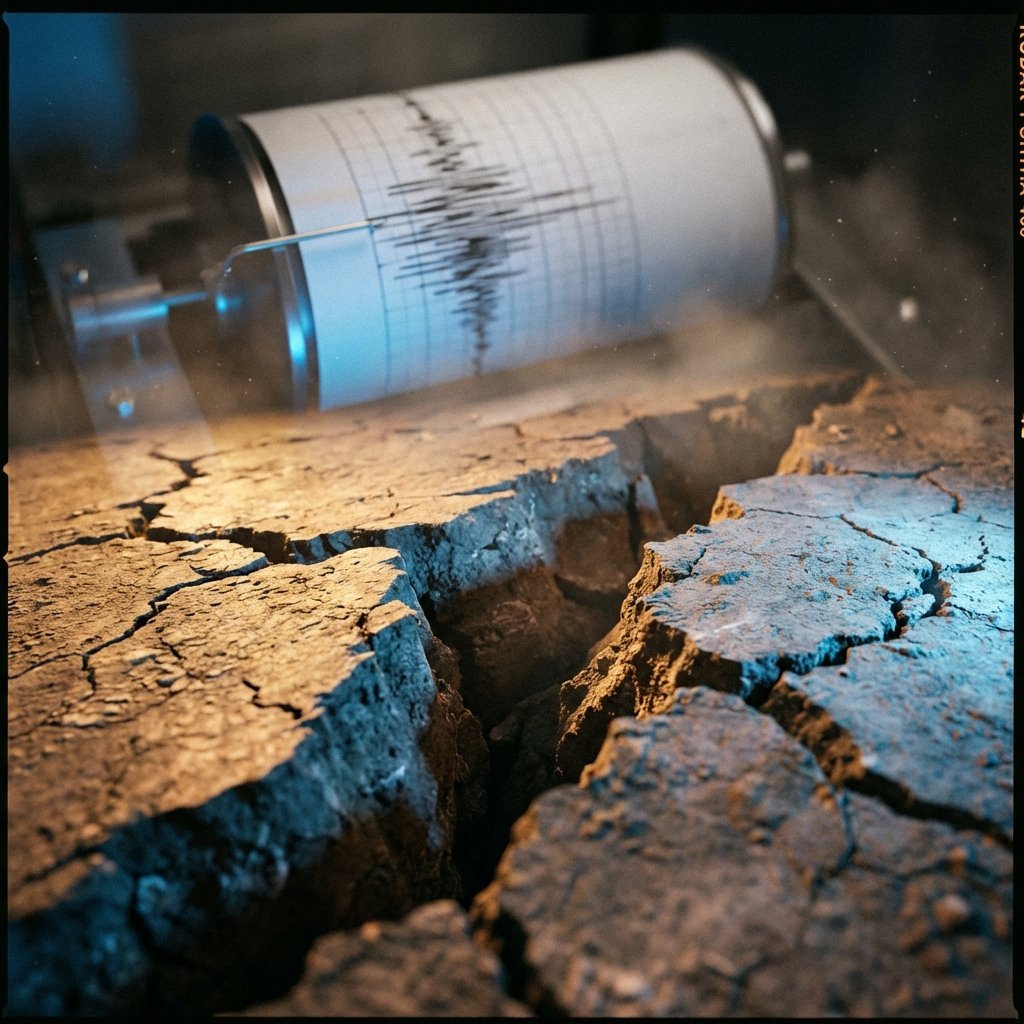
Modern seismology relies on a global network of seismographs to measure ground motion with incredible precision. While the Richter scale is the most famous for measuring magnitude, professionals today use the Moment Magnitude Scale (Mw). Mw is more accurate for large earthquakes as it accounts for the area of the fault rupture, the amount of slip, and the rigidity of the rocks.
Broadband seismometry allows us to analyze different types of seismic waves: P-waves (primary), which travel fastest and arrive first, and S-waves (secondary), which arrive later but often carry more destructive energy. Surface waves, such as Love and Rayleigh waves, travel along the Earth's crust and are responsible for the majority of damage to buildings and infrastructure.
Geotechnical Engineering and Risk Mitigation
From a geotechnical perspective, understanding seismicity is crucial for designing earthquake-resistant structures. Ground conditions significantly influence shaking intensity—soft sediments can amplify seismic waves, a phenomenon known as site amplification. At the same time, saturated soils may undergo "liquefaction," losing their strength and behaving like a liquid during intense shaking.
My experience in geotechnical testing emphasizes the role of soil-structure interaction. By performing site-specific seismic hazard assessments, we can determine the design parameters necessary for safe construction in seismically active regions.
Reader Value: Knowledge for Safety
Understanding earthquake science is not just for experts. It provides the public with the knowledge needed for disaster preparedness. Recognizing that "Earthquakes don't kill people, buildings do" shifts the focus to better urban planning and engineered safety. By staying informed about the geological realities of our regions, we can build more resilient communities.