Shahrokh Mehmood
Geologist & Geoscientist
Exploring the future of resource extraction and the innovations making mining more environmentally responsible.
The Necessity of Resource Extraction
Mining is the foundation of modern civilization. From the iron in our skyscrapers to the lithium in our smartphones, virtually every physical product starts its life in a mine. However, the environmental impact of traditional mining is undeniable. As we move toward a "green transition," the demand for critical minerals—cobalt, nickel, lithium, and rare earths—is skyrocketing, making the pursuit of sustainable mining more urgent than ever.
Minimizing the Footprint
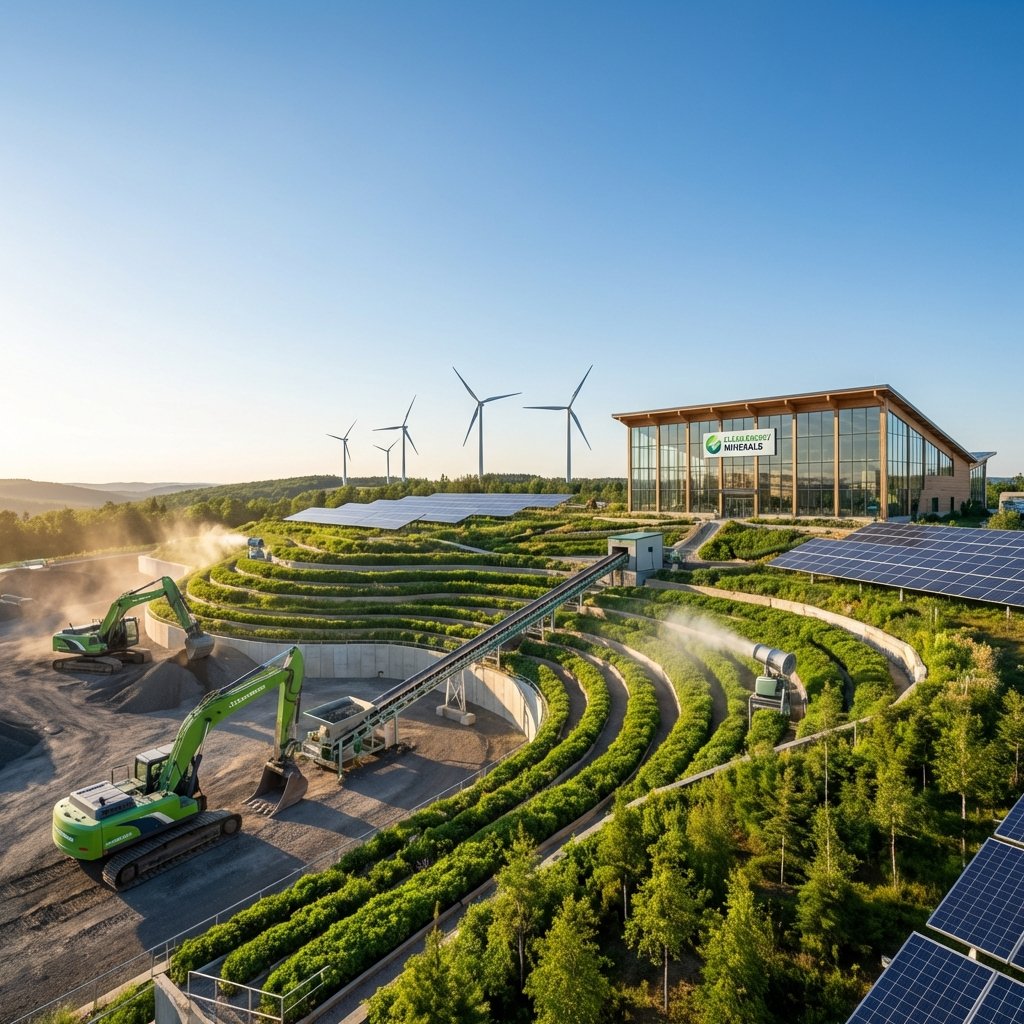
Sustainable mining focuses on reducing the environmental impact at every stage of the life cycle. This includes "dry stack" tailings management to prevent water contamination, using renewable energy to power mining equipment, and implementing rigorous reclamation plans that restore the land to its natural state after mining concludes. Innovative techniques like "in-situ leaching" allow us to extract minerals without even digging a physical pit, significantly reducing surface disturbance.
The Circular Economy and Battery Materials
A key component of sustainability is the circular economy—recycing and reusing minerals to reduce the need for new mines. My experience at Northvolt emphasized this connection between raw material extraction and battery manufacturing. By closing the loop, we can create a truly sustainable supply chain for the electric vehicle revolution.
As geologists, we are at the forefront of this transition. We are not just finding minerals; we are finding ways to extract them that respect the environment and provide the resources needed for a low-carbon future. The future of mining is technical, transparent, and fundamentally sustainable.