Shahrokh Mehmood
Geologist & Geoscientist
Understanding the origin, structure, and composition of rocks through the lens of igneous, metamorphic, and sedimentary processes.
Decoding the Crust: The Science of Petrology
Petrology is the branch of geology that focuses on the origin, composition, and structure of rocks. It is the material science of the Earth, providing the fundamental understanding of how our planet was formed and how its crust continues to evolve. By studying the mineral assemblages and textures within a rock, petrologists can reconstruct the temperature, pressure, and chemical environments of its formation.
The Three Pillars: Igneous, Sedimentary, and Metamorphic
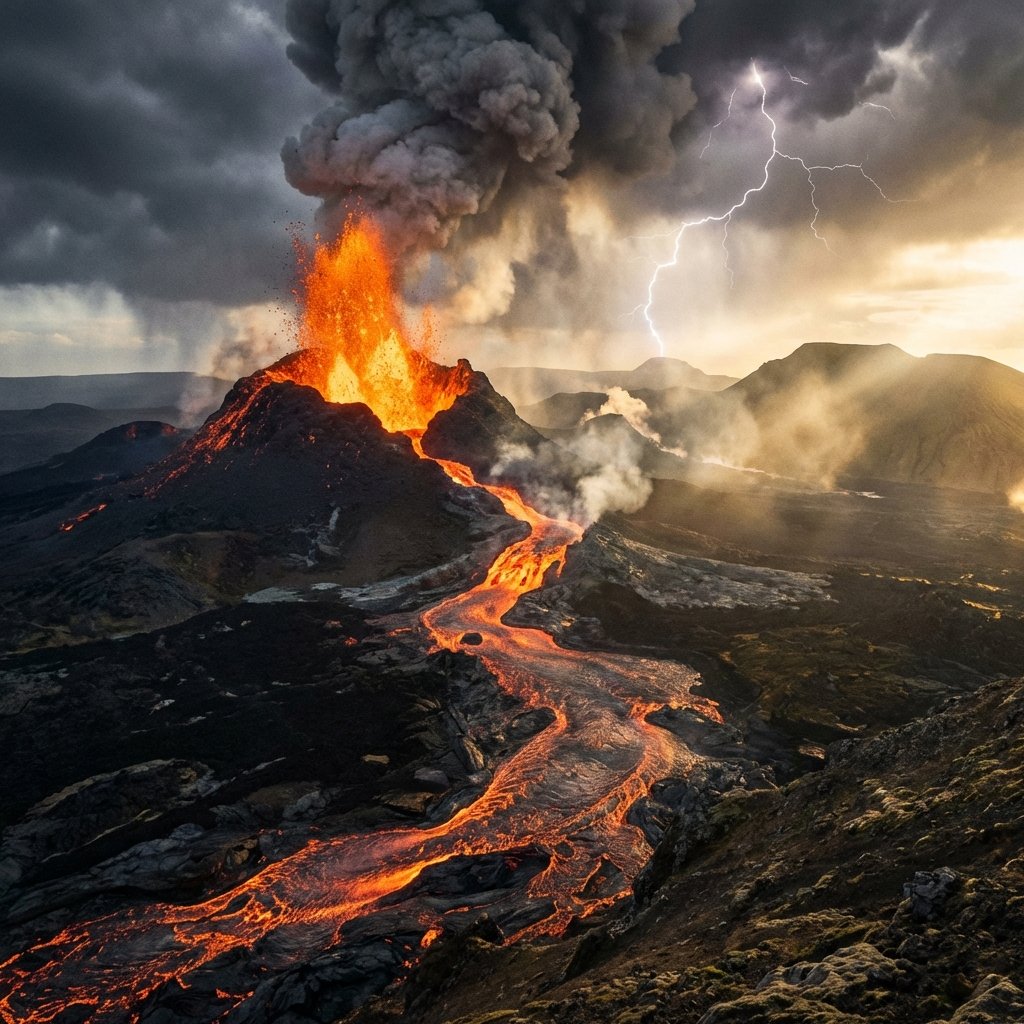
Igneous petrology examines rocks formed from the cooling and solidification of magma or lava. The distinction between intrusive (plutonic) rocks like granite and extrusive (volcanic) rocks like basalt provides clues about the depth and speed of cooling. Sedimentary petrology, on the other hand, deals with rocks formed from the lithification of sediment. These rocks are the primary archives of Earth's surface history, containing evidence of ancient rivers, oceans, and life forms.
Metamorphic petrology studies rocks that have been transformed by heat and pressure without melting. The degree of metamorphism (grade) allows geologists to identify deep-seated tectonic processes, such as the burial of sediments in subduction zones or the heating of crustal rocks near magma chambers.
Microscopic Insights
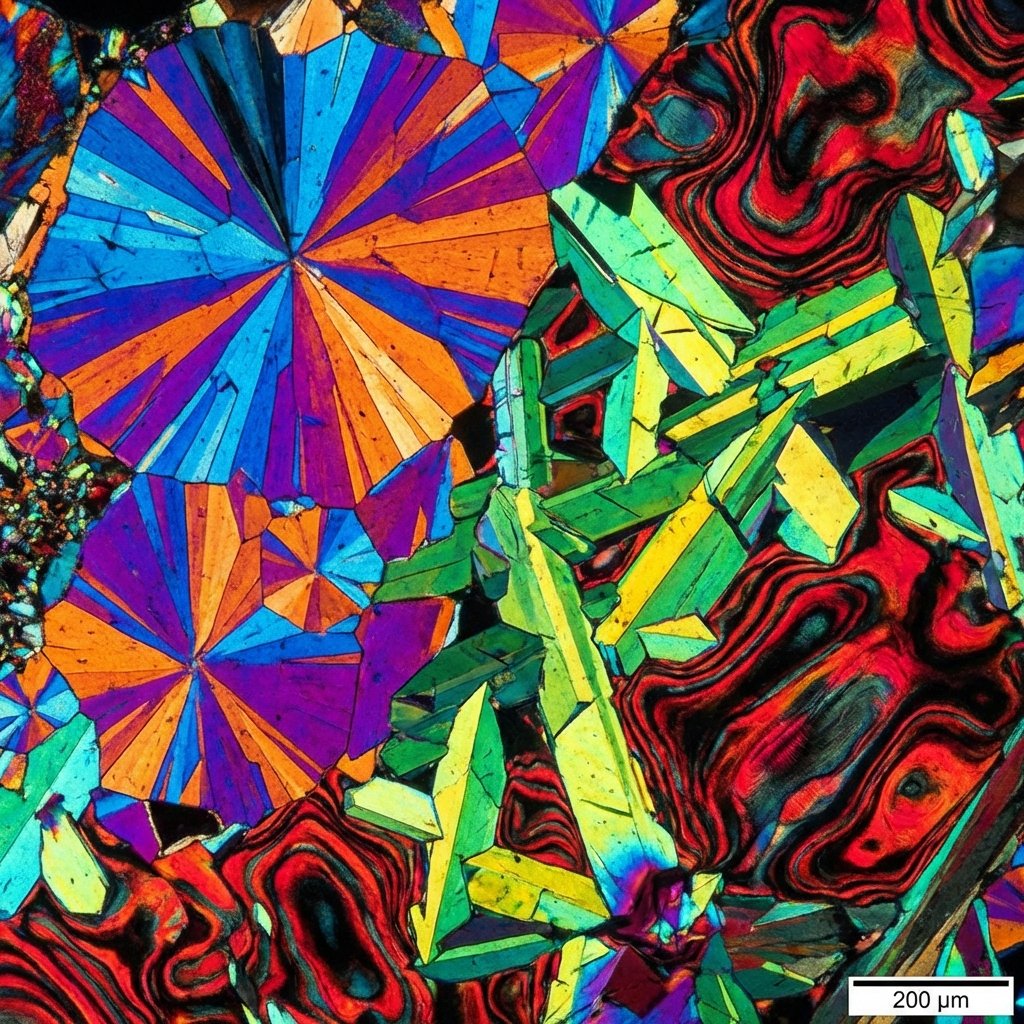
The "thin section" is the primary tool of the petrologist. By slicing a rock to a thickness of 30 microns (finer than a human hair), we can observe it under a polarizing microscope. This reveals a world of vibrant interference colors and intricate crystal intergrowths that are invisible to the naked eye. In my academic career at Lund University, thin-section petrology was essential for identifying the cooling rates of Scandinavian bedrock and assessing its structural integrity for industrial use.