Shahrokh Mehmood
Geologist & Geoscientist
Lessons learned from the front lines of geotechnical engineering in major infrastructure projects.
Infrastructure on a Massive Scale
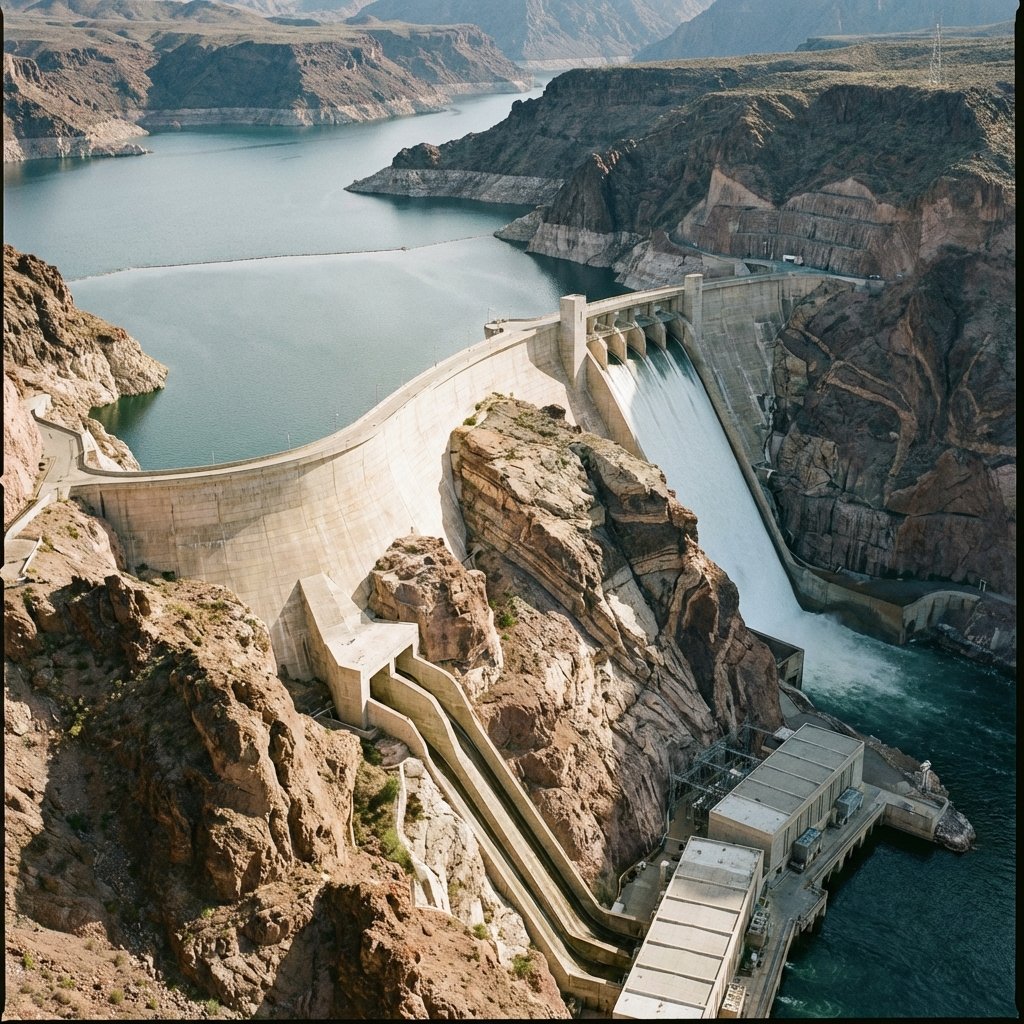
Dam construction represents one of the most significant challenges in civil and geotechnical engineering. These structures must withstand immense water pressure while anchored to geological foundations that are often far from perfect. The failure of a dam is a catastrophic event, making rigorous site investigation and monitoring the highest priority.
Foundation Stability and Permeability
The first step in any dam project is a detailed geotechnical assessment of the foundation rock or soil. We must identify potential weak zones, such as fault lines, joints, or karst (cave) systems, that could compromise stability. Grouting—injecting cement-like material into the rock—is often used to fill these voids and create a "grout curtain" that prevents water from seeping under the dam.
Soil mechanics play a vital role in earth-fill dams. The core of the dam must be constructed from impermeable clay to prevent seepage, while the outer shells provide structural support. Managing "pore water pressure" within the dam body is essential; if the pressure rises too high, it can lead to internal erosion or "piping," which can trigger a failure.
Long-term Monitoring and Safety
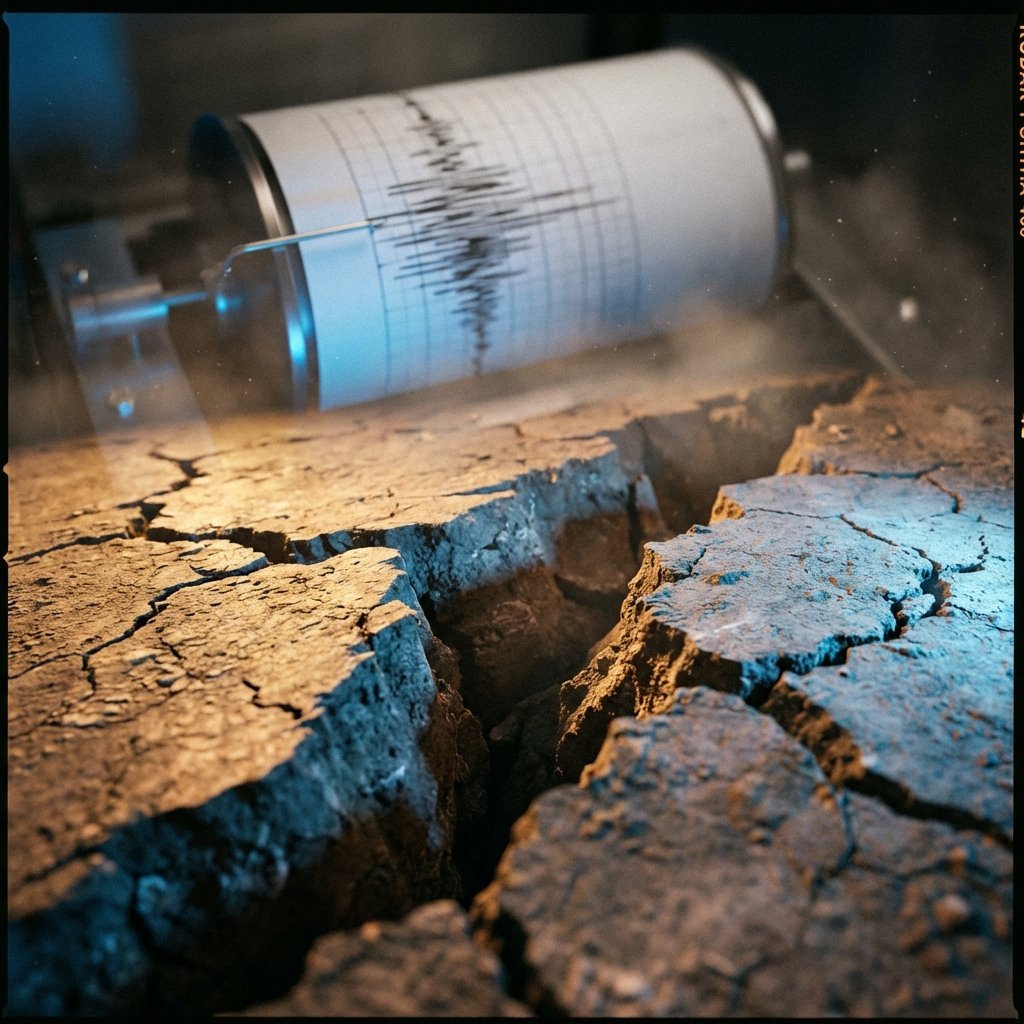
Once a dam is completed, the work of the geotechnical engineer is not over. We use piezometers to monitor water pressure, inclinometers to track movement, and seismic sensors to detect ground vibrations. Modern infrastructure project management relies on these real-time data streams to ensure the long-term safety of the structure. My professional background includes managing these technical risks to ensure that the intersection of human engineering and geological reality remains stable and secure.